Drinking Water Treatment Denver, CO: Your Health Matters
Key Highlights
- Denver’s drinking water comes from mountain snowmelt, which feeds rivers, lakes, and reservoirs.
Municipal treatment follows EPA guidelines, but contaminants can still enter the water supply.
The city's treatment process is essential for public health, but an extra layer of protection offers peace of mind. If you are looking for reliable water filtration service providers in Denver, you can start by checking local business directories, online reviews, and asking for recommendations from neighbors. Many certified companies in Denver specialize in filtration solutions that remove contaminants and meet EPA drinking water safety standards. - Municipal treatment follows EPA guidelines, but contaminants can still enter the water supply.
- The city's treatment process is essential for public health, but an extra layer of protection offers peace of mind.
- Concerns such as hard water, chlorine, and "forever chemicals" (PFAS) are present in Denver's water.
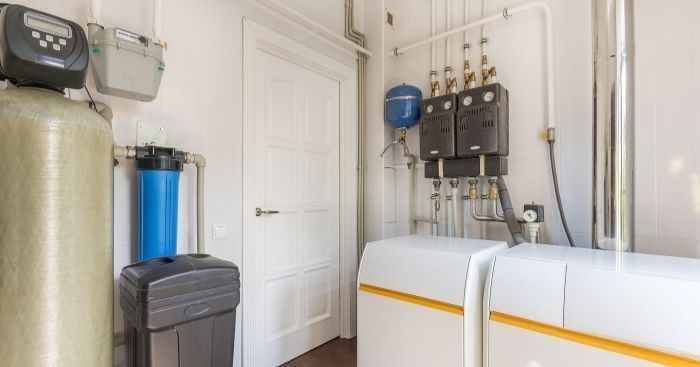
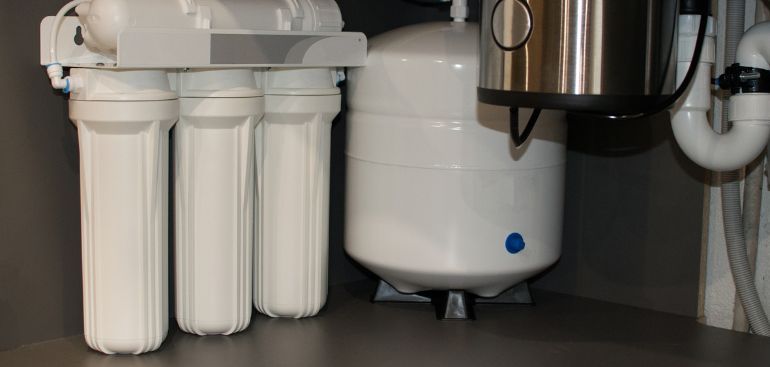
- Home purification systems, like filters and water softeners, can improve your water quality.
- Understanding your water quality report helps you choose the right solution for your home.
Introduction
Drinking water treatment Denver, CO
Each year, you should receive a water quality report that details the findings from their testing, giving you insight into what’s in your water. Even with these measures, contaminants can sometimes find their way into the water. Issues like aging pipes or treatment errors can affect the water quality that reaches your home. This is why many residents consider an additional layer of protection. Taking a closer look at the municipal process can help you better understand your water.
When comparing water quality concerns in Denver, CO, with those in nearby areas like Boulder or Lakewood, similar challenges exist, including aging infrastructure and natural contaminants. However, differences in water sources and local treatment practices can cause variability in specific issues and public perceptions. Monitoring local reports and understanding your area’s unique treatment process will help assess the risks and solutions relevant to each community.